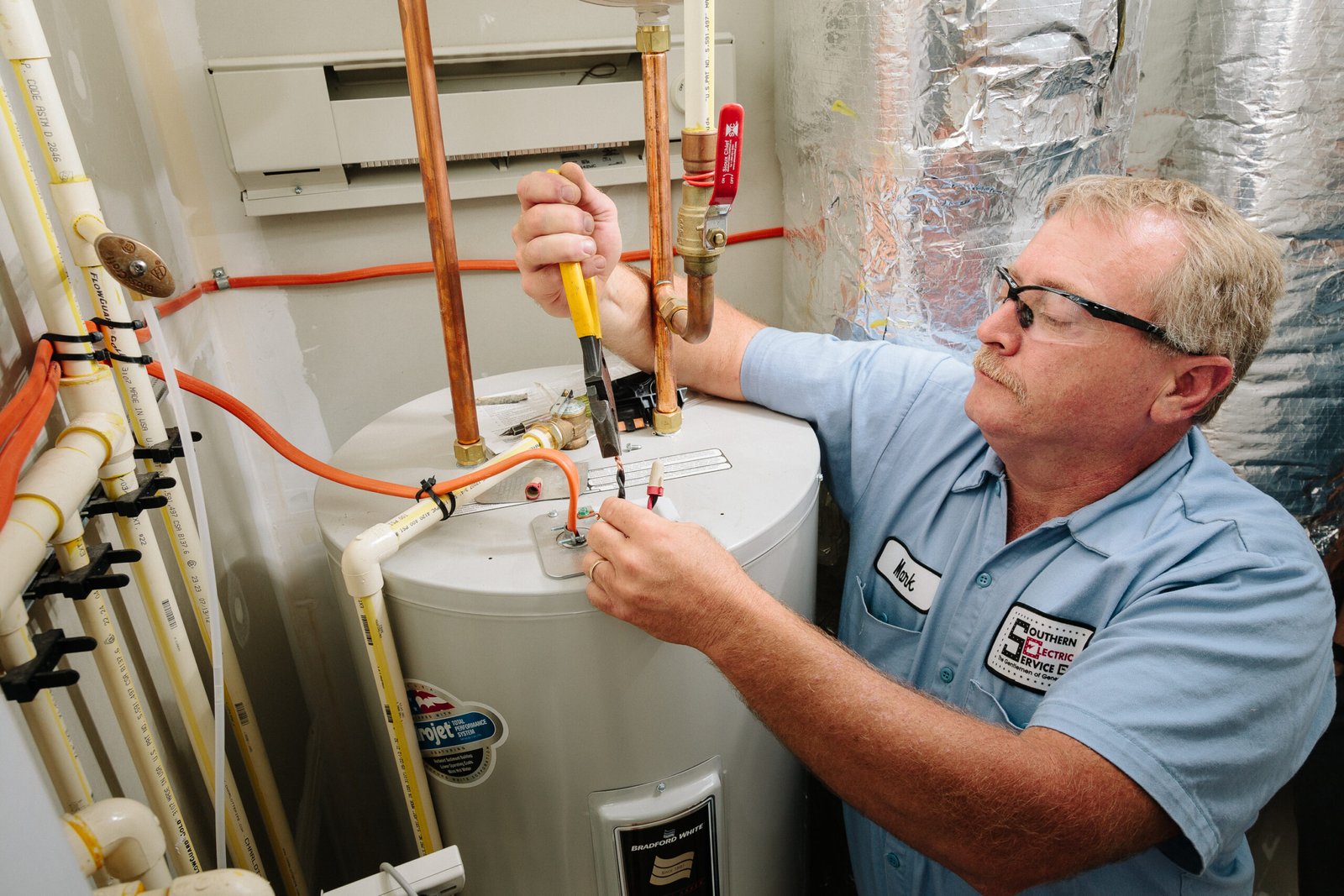
Replace your hot water heater before it becomes an unexpected disruption to your routine. Whether you are opening your eyes to a cool morning in the mountain states of the Rockies or starting your day in a basement home office in Denver, there is one aspect of your day that every Coloradan expects to be present in their morning: the hot shower. But what happens when your morning is interrupted by a sudden rush of cold water?
Suddenly, a question has entered your world about which you are unfamiliar—and concerned: should you be replacing hot water tanks in your house? As a homeowner in the state of Colorado, homeownership is about much more than mere comfort and aesthetics, as a superior-level homes environment is essentially a topic of homeownership integrity.
Replace your hot water heater with the right knowledge and expert guidance. This ultimate guide will delve deeply into the aspects of a unit in failure, describe the most recent technology of 2025 units, and provide you with the expert advice that is necessary to better grasp this complex procedure of unit replacement. Whether it is deciphering the complexities of real estate disclosures in Colorado to maximizing efficiency, this is all the information you will ever require in regard to this complex procedure of hot water heater replacement.
1. Identifying the Warning Signs: When Must You Replace Your Hot Water Heater?
Replace your hot water heater when daily comfort and efficiency begin to suffer. The Colorado real estate market: A house is only as good as the basic systems that are placed in a home. Being one of the last people to take a shower and realizing that you are out of hot water would mean that you are now beginning to live with the first sign. Being able to host holiday events in your home with some or all of your family gathered together would mean that this is an acceptable condition on occasion, although not having hot water would mean that there is a definite issue with the efficiency of your hot water heater.
In a situation where the water heater works well and functions as expected, it does not matter the amount of use you make of the water heater or even how you use the water in your home when multiplied by the use you make of the water heater daily in your home.
Be a homeowner and ever be vigilant about noting anything concerning with the water heater that can cause your basement to be flooded. This can be the only means you can prevent an emergency. Some can be things the professional can fix, but others can be things they can use as an indicator of the time to replace your hot water heater or even change your water heater with a different type altogether.
2. The Age Factor: Does Lifespan Dictate If You Replace Your Hot Water Heater?
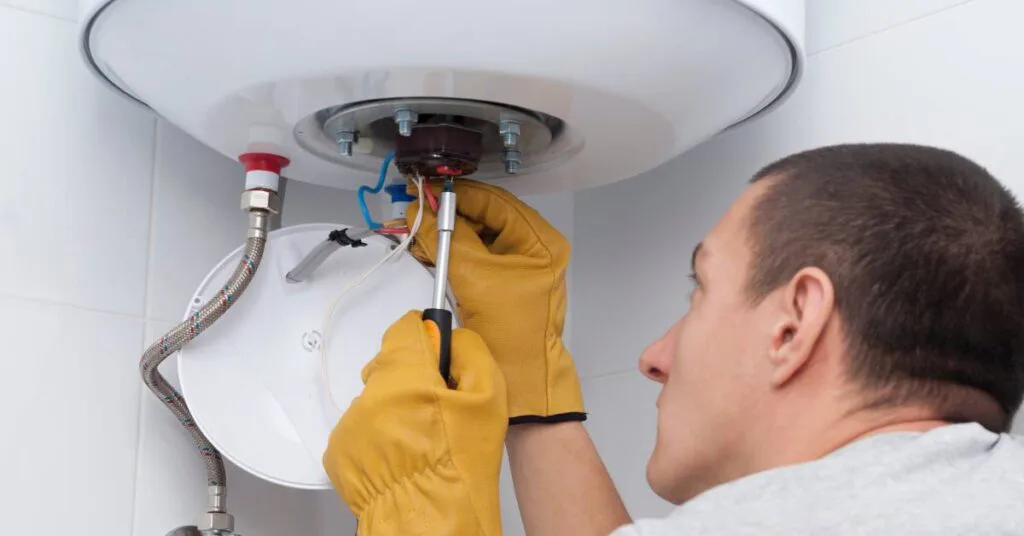
One of the most objective criteria that should govern when it is time for a hot water heater change is their age. The average lifespan of most hot water electric-heater models in most homes is about 10 years. Gas-heater models, which are most predominant in most of Colorado, should not live beyond 8 years.
Replace your hot water heater before age-related issues begin to cause serious problems. But of course, after a number of years staying in a house, it is a good thing to keep in mind the “age” or a kind of “birth date” of your heater. This can be achieved by spotting a sticker stickered with your brand’s emblem, which always contains a coding indicating the time of its make according to the letter preceding the two numbers. Let not the potentially disastrous issues of rust, sound, and leakage destroy your hot water heater by taking good care of it via replacements even before it reaches the double-digit ages.
3. Detecting Structural Failure: Visible Clues to Replace Your Hot Water Heater
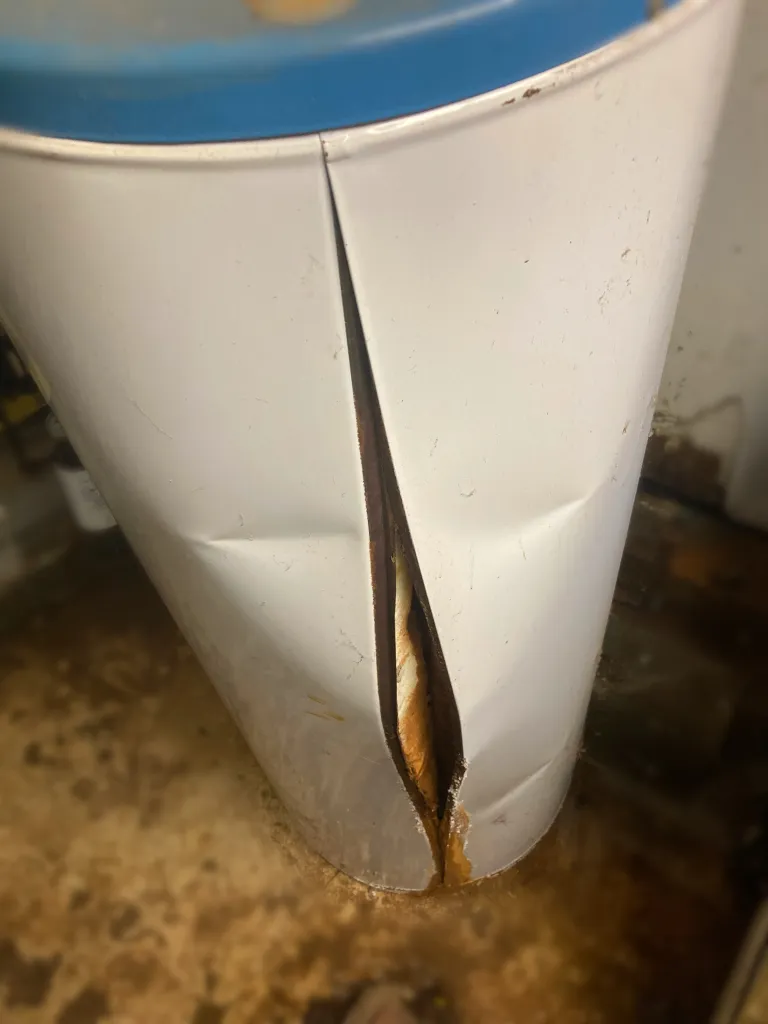
Corrosion and rust are conditions that a metal water tank cannot handle in any case. Witnessing rust-colored water coming out of your faucets or rust spots spreading across your water tank, especially the areas around your water valves coming out, is a warning signal in itself. This basically translates to the fact that your water tank has rusted through to your internal system, and a leak in your water supply is a huge problem by itself.
In this case, you cannot actually look for a “quick solution” concerning a replacement of your water heater, as it would have a huge impact on your flooring and foundation.
Replace your hot water heater when warning signs begin to appear in its performance. Moreover, an indication of the imperfections of the system is the noise you hear; this is as important as the factor of rusting. You know that there is an efficiency issue with the system when you hear noise associated with rumbling and “popping” noises whenever the tank is heated; this indicates that there is sediment accumulation at the base of the tank.
A yearly recommendation for homeowners is that they always have to flush the tank; consequently, the absence of the noise after maintenance work indicates that the water heater is deteriorating and prone to breaking because this is the most opportune moment to consider purchasing a new hot water heater.
4. The Real Estate Impact: Should You Replace Your Hot Water Heater Before Listing?
If you are preparing to sell your property in Colorado, the condition of your water heater will certainly come up during the “due diligence” phase. In Colorado real estate transactions, sellers are required to provide a Seller’s Property Disclosure, which includes the age and condition of major appliances.
A failing water heater is an “adverse material fact” that must be disclosed to potential buyers. Hot water heaters: Replace your hot water heater before going to market may enhance your home’s ‘balance sheet.’ Additionally, it will give potential home buyers some relief, considering they would still have to contend with high rates of interest and/or fees for closing a transaction. If your home is inspected and a puddle of water is seen around your unit, it may indicate a break in your tank. A break in your tank means that you will have to change your hot water heater before any sale is consummated.
5. Comparing 2025 Technology: Which System to Use When You Replace Your Hot Water Heater
Once you determine it’s time to change your hot water heater, you should do your homework to be certain the new unit will match your family’s needs and also the special configuration of your home. You’ve got essentially two paths: traditional tank versus modern tankless.Once you determine it’s time to change your hot water heater, you should do your homework to be certain the new unit will match your family’s needs and also the special configuration of your home. You’ve got essentially two paths: traditional tank versus modern tankless.
The Traditional Tank Solution
A conventional water heater is one that retains and preheats a 30 to 50-gallon supply of water in a large tank and makes it instantly available for usage. These models will cost less up front but a whole lot more to operate, as this type of heater continuously reheats a supply of hot water, even if it is not in direct usage. If you are intending to change your hot-water heater to a tank-style heater, make certain it meets your width and height requirements for your utility closet.
The Tankless (On-Demand) Advantage
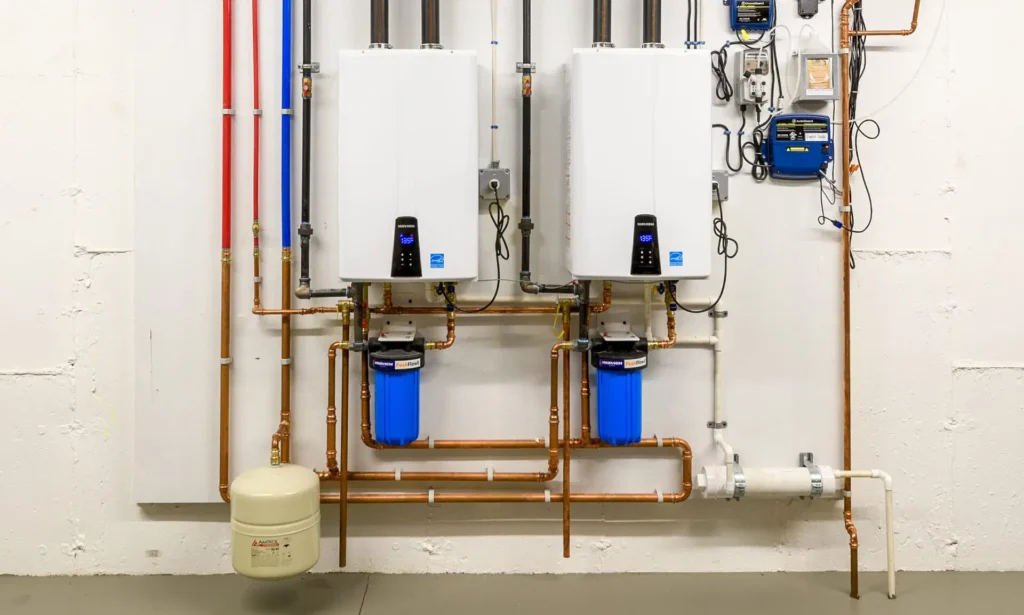
For those who are particularly interested in maximizing their energy efficiency, a tankless hot water heater is a revelation. What it does is employ a heat source to heat water on demand, thus not storing any water. Although it costs more to install at the front end, it demands retrofits to either their gas lines or their electric panels, tankless hot water heaters come with a long life span of 20+ years, which is double the average life span of a normal tank hot water heater.
6. Energy Efficiency and ROI: The Financial Benefit to Replace Your Hot Water Heater
As far as 2025 is concerned, energy efficiency is no longer just a buzzword, as it is, in fact, a tool that helps to combat inflation. While selecting a new appliance, it is always important to check energy efficiency levels, with the help of which one is able to estimate annual energy costs.
Thus, if you install a highly energy-efficient hot water heater, you’ll get a phenomenal ROI through reduced energy consumption. A second advantage of this water heater is that it improves the “Recovery Rate,” or gallons per hour, that your home heats. You’ll get to upgrade from 40 gallons per tank to high recovery, and this means that the entire family, including those morning rushes, gets hot showers.
Conclusion: Final Thoughts on Why You Should Replace Your Hot Water Heater
At the end of the day, your hot water heater can be said to be the behind-the-scenes star of your home. As we have examined, the most effective way to make sure your home stays in working order and that your loved ones remain secure is to remain mindful of the power of age, noise, and leaking.
As either a homeowner who has lived there a long time or a newcomer who has the potential to put their own mark on the home, installing a new hot water heater that ranks among the most modern technologies available is a very sound home improvement decision.
However, by continuing to follow the best practices of 2025 and taking the Colorado climate difference into consideration, what could be a disaster waiting to happen could now be a smart financial move. Waiting until there is a flooded basement or until a chilly winter morning isn’t necessary, so contact a professional now to discuss whether it is time for a hot water heater installation and to get the warmth that you are entitled to.
Manually Added FAQ Section
Q: How do I know the exact age of my water heater in Colorado?
A: Verify the serial number from the label supplied by the maker. The two numbers following the first letter of the serial number indicate the year of production (as in the example below, A21XXXX means 2021).
Q: Can I replace a traditional tank with a tankless unit?
A: Yes, but this might involve modifying either the plumbing pipes or gas pipes in your home, adding to the setup costs
Q: Does Colorado law require a specific type of water heater?
A: While there isn’t a single “Colorado law” for the type, all installations must meet local building codes and the Colorado “Warranty of Habitability” standards, which require functional indoor heat and water systems.Q: What is the most common size for a residential water heater?
A: Most Colorado homes utilize 40 to 50-gallon tanks to handle standard family needs
Useful Resources:
- Internal Link: View our Colorado Home Maintenance Checklist
- External DoFollow Link: For official state guidelines on home safety, visit the Colorado Division of Housing.
- External NoFollow Link: Compare energy ratings on the Energy Star Official Site (rel=”nofollow”).