If you’re a homeowner in the Centennial State, there’s one invisible, odorless, and utterly pervasive danger of which you should be aware: radon. Well, the mountains give us that unbeatable Colorado lifestyle and stunning views, but here’s a hidden downside: the very geology that makes our region so beautiful-rock rich in uranium-also makes a lot of Colorado a high-risk area for radon gas. As it happens, it is actually a big deal.
The Colorado Department of Public Health and Environment reports nearly half of the homes just here in Colorado have radon levels higher than the recommended EPA action level of 4 $\\\\text{pCi/L}$. If you have been putting off testing or simply weren’t aware of the risks, now is most certainly a good time to act.
Why is this a “big deal”? This is because radon is a silent killer; it’s the second leading cause of lung cancer in the US, accounting for an estimated 21,000 deaths every year.1 The scary part is you’d never know it’s there-it has no smell, no color, and no taste. It can just silently seep into your beautiful mountain retreat or Denver metro home and begin to build up to dangerous levels, affecting your family’s health without symptoms right away.
The only way to know the level of risk is through Colorado Radon Testing & Mitigation. This guide is designed to help you understand how to secure your home and your health by describing in great detail exactly what radon is, how to test for it, and the process of professional remediation here in Colorado.
What Is Radon and Why is Colorado a High-Risk Zone?
Radon is a naturally occurring radioactive gas produced by the breakdown of uranium found in soil, rock, and water. Given the geological makeup of the region, the bedrock beneath many Colorado neighborhoods, from Boulder to Colorado Springs, is a fertile source for this gas.
The Route of Radon Entry into Your Home
Uranium in the earth naturally decays into radon gas, which rises up through the ground and into the air. For it to enter your home, a major leak is not needed; it can infiltrate any point at which the house contacts the soil:
- Cracks in the foundation slab or basement walls.
- Construction joints.
- Gaps around utility penetrations (pipes, wires).
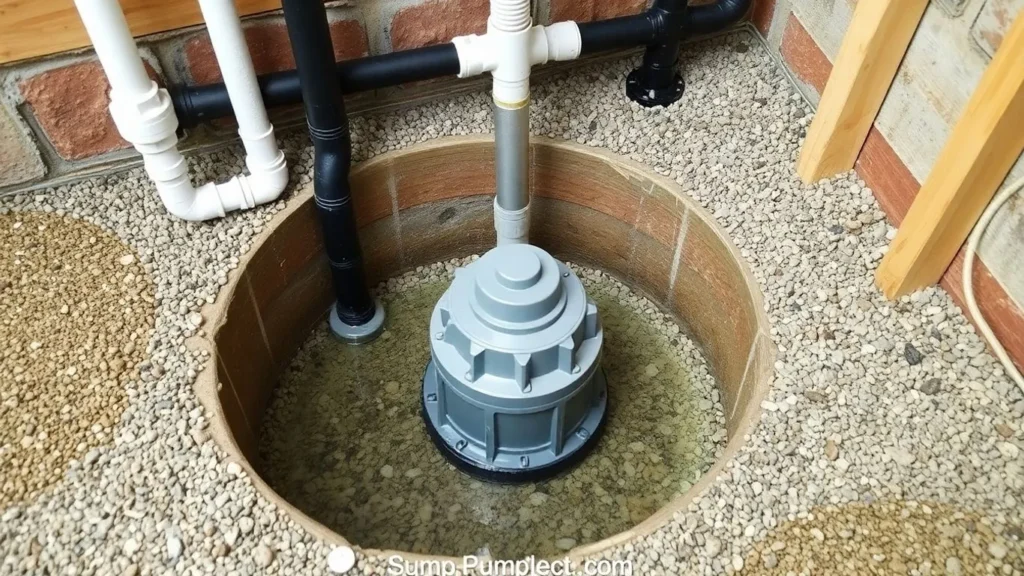
- Openings around sump pumps and floor drains.
- Crawl spaces.
- Even well water may be a source of radon, especially if you’re in a more rural area of the state.
The most critical takeaway from the EPA: nearly one in every 15 homes across the U.S. has an elevated radon level of 4 $\\text{pCi/L}$ or higher. Any type of home may have a radon problem-be it a modern Denver townhouse with a finished basement or a classic Victorian without one. This invisible threat respects no property lines; two homes right next door to each other can have vastly different indoor radon levels. This is also why location, or Colorado radon zones, tells only part of the story; individual Colorado Radon Testing & Mitigation is the only reliable measure.
For more information on specific county risk levels, you can check the EPA’s radon information or reach out to the Colorado Department of Public Health and Environment (CDPHE) directly.
The Essential Step: Colorado Radon Testing & Mitigation
The great news is that measuring your home’s radon level is a straightforward and non-complicated process. The key is to test the lowest lived-in areas of your home—typically the basement or first floor.
DIY vs. Professional Colorado Radon Testing & Mitigation
In Colorado, you have two primary methods for testing:
- DIY Test Kits: You can purchase inexpensive, approved “do-it-yourself” kits online or at major home improvement stores. These kits often use passive devices.
- Hiring a Licensed Professional: Since the outcome is critical, especially in a real estate transaction, it is highly recommended that a qualified, licensed Colorado radon tester be hired. As of 2022, all radon measurement and mitigation professionals must be licensed by DORA, an added layer of consumer protection and reliability. Professionals usually use active, continuous monitors.

Types of Radon Testing Devices
To ensure you get a reliable result, understand the differences between the available testing methods:
- Passive Devices (Charcoal Canisters, Alpha-Track Detectors):
Mechanism: These require no power. They are exposed to the air for a set time (usually 2-7 days for short-term) and then sealed and mailed to an accredited lab for analysis.
Use Case: Excellent for initial, cost-effective screening or long-term measurement. - Active Devices (Continuous Radon Monitors – CRMs):
Mechanism: These require power and continuously measure and record radon levels hour-by-hour. The technician retrieves the device and provides an immediate, detailed report.
Use Case: Highly preferred for real estate transactions or when a quick, precise, and verifiable result is needed, as they can detect potential test interference. Hiring a professional for your Colorado Radon Testing & Mitigation assessment typically involves a CRM.
Short-Term vs. Long-Term Testing
- Short-Term Testing (48 Hours to 90 Days): This is the most common method when a home sale is involved, usually because of a radon contingency. It may not yield a very representative year-round average but is a snapshot of current conditions. Colorado real estate professional standard minimum is a 48-hour test using a CRM.
- Long-Term Testing (More than 90 Days): This test gives a much more accurate year-round average level of radon due to seasonal and environmental changes. If your reading, from your short-term test, is borderline, this will often be the recommended next step before taking further action with Colorado Radon Testing & Mitigation.
No matter which testing device you choose, it’s vital that you and your family follow the directions precisely and keep the test area sealed and undisturbed to guarantee reliable results.
️ Fixing the Problem: Colorado Radon Testing & Mitigation Contractors
Finding an elevated level of radon—anything at or above the EPA action level of 4 $\text{pCi/L}$—can be unsettling, but it is entirely fixable. The EPA also suggests considering remediation if your levels are between 2 $\text{pCi/L}$ and 4 $\text{pCi/L}$.
Remember: High levels of radon pose a significant health risk and are a leading cause of lung cancer. Mitigation is an investment in health, not just a home repair.
The Mitigation Process: Simple and Effective
It does not have to be one of those large, complicated construction projects to mitigate a radon problem. Actually, it is usually pretty standard. The cost to hire a pro to install a radon reduction system in Colorado usually runs between $1,500 and $3,500. A number of things factor into your final price, including but not limited to: the size of your house, the type of foundation you have-like a slab, crawl space, or basement-and if the team runs into any tricky design issues. Consider it this way: this investment in your family’s health falls right in line with other typical household repairs, such as replacing your furnace or a water heater. It is an entirely manageable investment.
The most common and effective technique used by Colorado Radon Testing & Mitigation Contractors is the Sub-Slab Depressurization (SSD) system. This process involves:
- Creating a Suction Point: A small hole is drilled through the foundation floor into the soil or aggregate underneath.
- Installing Piping: PVC piping is run from the suction point, many times through a closet or garage, and is vented up and out of the house, normally extending above the roofline.
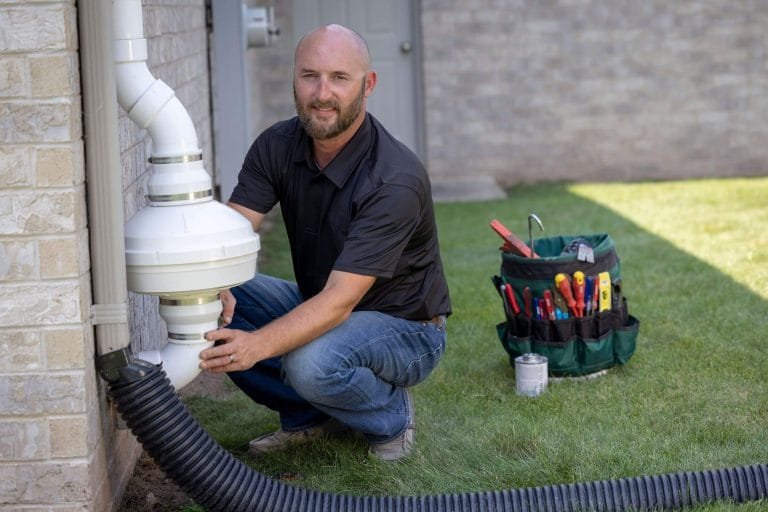
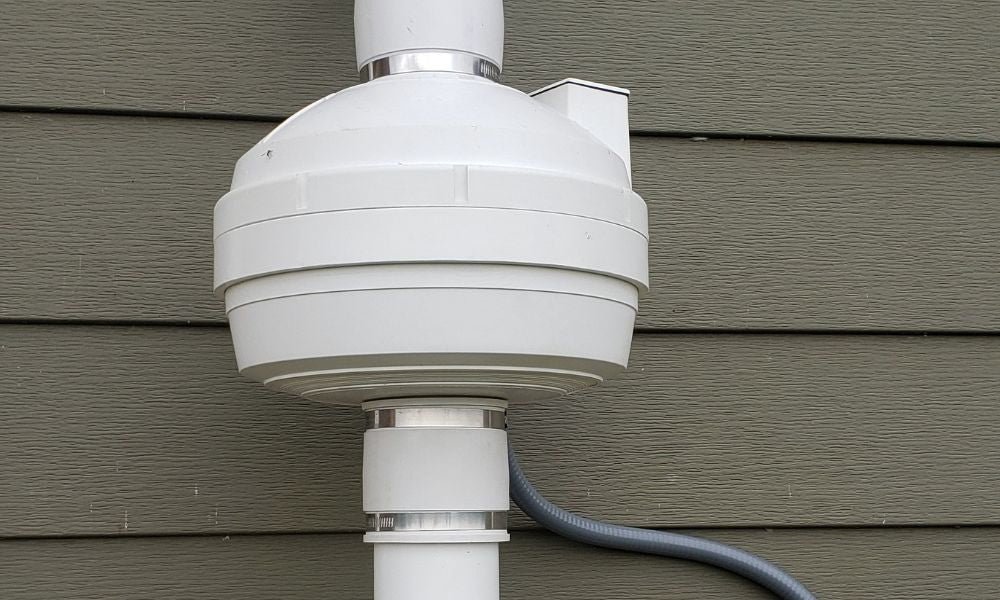
- Installing a Fan: An in-line fan is mounted in the piping-usually in the attic or outside the house-to continuously draw the radon gas from under the slab and safely exhaust it into the outdoor air where it is quickly diluted.
- Sealing Cracks: Major cracks and openings in the foundation are sealed by contractors to prevent new entry points for radon, as well as enhancing the performance and efficiency of the SSD system.
Most importantly, Colorado statute requires that all individuals performing radon mitigation be licensed by the Colorado Department of Regulatory Agencies (DORA). As you receive estimates, make sure to check your contractor’s license status on the DORA website for assurance that you hire a certified, qualified professional for your Colorado Radon Testing & Mitigation project.
Radon and Your Colorado Real Estate Transaction
Radon is now a central topic in all Colorado real estate dealings, thanks to recent legislative changes.
Seller Disclosure Requirements in Colorado
Starting in June 2023, radon transparency in residential transactions significantly improved with Colorado Senate Bill 23-206. The new law requires home sellers and landlords to supply, in writing, potential buyers or tenants with information regarding:
- An advisory statement in bold type on all residential real estate contracts concerning the risk of radon.
- The most recent records and reports pertaining to the levels of radon detected at the property.
- A description of any treatment, mitigation or remediation performed on the property.
While the law does not mandate that sellers perform testing, if they have any knowledge of previous tests or a mitigation system, they must disclose it. This shift puts the burden of awareness on all parties and makes professional Colorado Radon Testing & Mitigation services even more critical for both buyers and sellers.
Radon and Home Renovation Projects
If you are about to undertake serious remodeling in your Colorado home, especially with a basement or lower level, there are two important things that you must do:|
Test Before You Start: High levels of radon may change after renovation. Get a reading before you start work.
Mitigate During Construction: When you are already planning a major renovation, especially if you’re tackling the basement or lower levels, this is the absolute best time to deal with radon. It’s simply easier and less expensive to get the sub-slab depressurization system installed while the walls and floors are all opened up. Doing it this way allows the professionals to completely hide the piping within the structure, so the radon reduction system is nearly invisible and won’t be an eyesore in your beautifully renovated Colorado home. Just remember to always re-test once all the construction dust settles to confirm those radon levels are safely low.
Essential Colorado Resources for Radon Information
We realize that your family’s health and the integrity of your home are two elements of utmost importance. Don’t leave your risk level to chance. Take the important move today by engaging in Colorado Radon Testing & Mitigation. Whether buying a home in Denver, selling a mountain cabin near Aspen, or simply living in a decades-old suburban ranch, testing is your only protection against this silent killer.
If you have any further questions about radon or are thinking of selling your home in the near future and need testing/disclosure guidance, please [Contact Us Here – Link to your contact/services page]. Our team works with licensed Colorado professionals to ensure your peace of mind.
For more information, please consult these trusted external resources (Nofollow links):
- U.S. Environmental Protection Agency (EPA) Radon Information: https://www.epa.gov/radon/ (nofollow)
- Find Information About Local Radon Zones and State Contact Information: https://www.epa.gov/radon/find-information-about-local-radon-zones-and-state-contact-information (nofollow)
- Colorado Department of Public Health and Environment (CDPHE) Radon Program: [Insert CDPHE Radon Program Link Here – Internal Link Example: /blog/colorado-public-health-radon-guidelines]
- Colorado Office of Radon Professionals (DORA License Verification): https://dpo.colorado.gov/RadonProfessionals (nofollow)
Frequently Asked Questions About Colorado Radon Testing & Mitigation
What is the recommended radon action level in Colorado?
“The official recommendation from the EPA is that if your short-term test comes back at 4 3$\text{pCi/L}$ or above, you really should move forward with mitigation (fixing the problem).4 Now, because there is truly no safe level of this radioactive gas, they also strongly encourage Colorado homeowners to consider fixing it even if the levels are between 2 5$\text{pCi/L}$ and 4 6$\text{pCi/L}$.7 The reality is that Colorado has some of the highest average radon levels in the country, so getting a reliable test done is absolutely warranted for any homeowner here.”8
How much does professional radon testing cost in Colorado?
Professional, short-term radon testing in Colorado, typically utilizing a Continuous Radon Monitor (CRM), generally costs between $100 and $250. Do-it-yourself kits can be purchased for much less (often $10-$50), but professional testing is usually required for real estate transactions.
How long does a radon test take?
The most common test, especially during a real estate sale, is the short-term test, which is typically conducted for a minimum of 48 hours. Long-term tests, which provide a more accurate year-round average, can last for 90 days or more.
Is radon testing required when selling a home in Colorado?
While Colorado law (SB 23-206) does not mandate that the seller or landlord perform a radon test, it does require that the seller or landlord disclose any and all prior knowledge of radon testing, results, and mitigation systems to prospective buyers or tenants via a bold advisory statement in the contract. Buyers almost always make an official radon test a contingency of the sale.
Will a radon mitigation system ruin the look of my Colorado home?
No. Professional Colorado Radon Mitigation Contractors are skilled at installing systems discreetly. The system piping is often run through the garage, interior utility closet or hidden along the exterior of the house and painted to match the siding. The fan is usually placed in the attic or outside to minimize noise and visual impact.
How often should I re-test for radon after mitigation?
The EPA recommends re-testing the home within 24 hours to 30 days after a radon mitigation system has been installed to ensure the system is working effectively and reducing the levels below 4 $\text{pCi/L}$. Following that, it is generally recommended to re-test the home every 2 to 5 years, or after any major home renovation that affects the foundation or HVAC system.