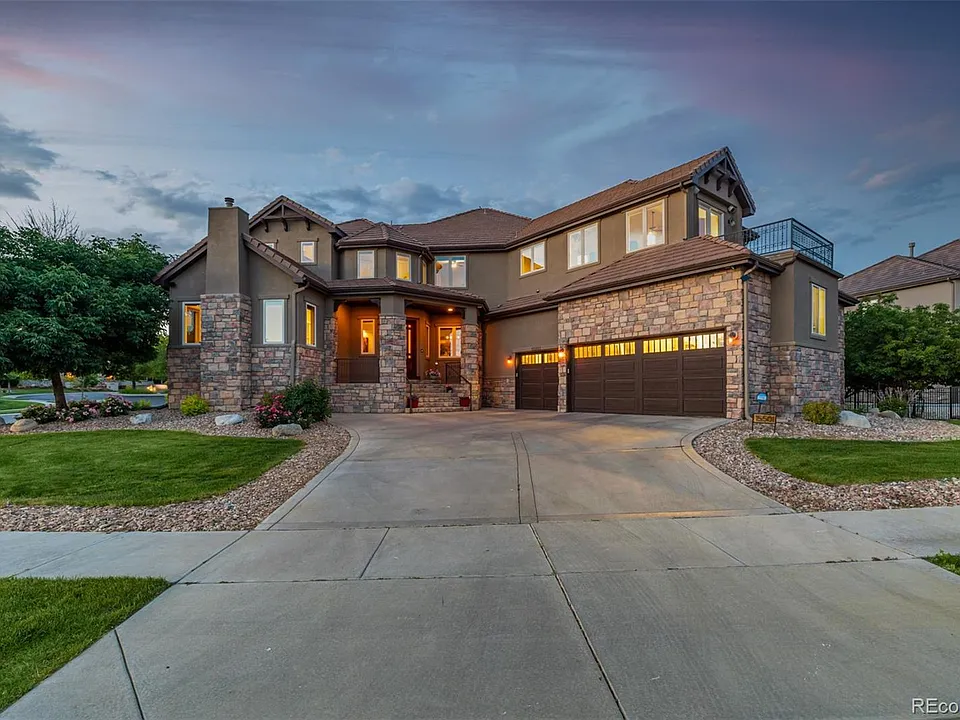
Purchasing a home in Colorado-be it a historic Victorian in Denver, a mountain cabin near Aspen, or a new build in Colorado Springs-is a fun, often competitive pursuit. The Mile High City and its peripheral areas boast some of the nicest and most sought-after real estate in the country. House hunting, especially in a fast-paced market, can be very exciting and may cause one to overlook defects that are subtle but very costly. Knowing what to look for may make all the difference between securing your dream home and inheriting a nightmare. This comprehensive guide identifies some of the most critical Colorado home buying red flags you need to identify and address before signing on the dotted line.
The road to owning a house is often confusing, especially for first-time buyers, but proactive education is the best defense. We provide a “behind the scenes” look at issues you should pay attention to while working your way through the Colorado real estate landscape to help you avoid buying a home you will come to regret owning. If you weigh the pros and cons of each and every sign on this list carefully, then your investment should remain sound.

Neighborhood Instability: A Top Colorado Home Buying Red Flags
The physical structure of your house is only half the equation; the neighborhood itself is arguably the most crucial factor in long-term value retention. When hunting for a home in Colorado, whether you are in a developing suburban area or a long-established urban district, you must assess the stability and future potential of the community.
Analyzing the “For Sale” Sign Density and Turnover
A proliferation of “For Sale” signs, high concentrations of rental properties, or an uptick in foreclosures are serious Colorado home buying red flags that signal instability. This could indicate that the current owners are looking for a way out of the area. This could be for many reasons: school ratings may have changed, crime may have increased, or just generally the neighborhood simply went downhill. Unsightly property, as often found in neighborhoods dominated by rentals or foreclosures, will naturally pull down the overall property values, pecking away at your investment equity over time.
If you’re looking at a transitional area-which is quite common in hot cities like Aurora or Fort Collins-you want to know for sure whether the transition is up and coming rather than in decline. Your trusted Colorado real estate agent will be able to provide you with data on current sales activity, including price trends, average DOM, and the final sale-to-asking price ratio. These metrics provide a pretty empirical look at neighborhood health.
The Opportunity of Approved Local Growth
Barren landscapes sometimes form the trappings of a fantastic future opportunity. This is found most often in those areas marked for huge infrastructure projects or major commercial redevelopments. Coloradan buyers-again, mainly those focused on urban or high-growth corridors-commonly look for access to transit and vibrant local amenities such as restaurants and shops. If you are betting on future growth to avoid a Colorado home buying red flag, you must verify the details. Crucially, ensure that any proposed growth plans are actually funded and approved by the relevant government agencies, such as Denver’s Department of Community Planning and Development, and are not merely speculative developer “pipe dreams”.
Internal Link: For a deep dive into Colorado property tax rates, click here.
Structural Integrity Issues: Non-Negotiable Colorado Home Buying Red Flags
Generally speaking, structural house issues are the most expensive to fix. Very expansive clays exist in Colorado-soils that can swell and shrink highly with changes in moisture content and creating extreme stress on the foundations. The structure should be carefully examined; this is one of the most important parts of avoiding red flags when buying a home in Colorado.
Foundation Problems: Cracks and Sloping Floors
Inspect a property for signs of foundation stress. Large cracks in the basement or exterior foundation walls are some of the most immediate Colorado home-buying red flags. Although hairline cracks are often typical, horizontal or stair-step cracks in excess of a quarter inch wide can presage serious structural movement, in fact.. You will want to pay close attention to the floors, which have a clear deviation or are sloping. Other big hints include when your doors and windows stick or just won’t close squarely; this indicates that the foundation is settling.
If the home inspector identifies any of those, you must involve a foundation stabilization expert-a structural engineer-to do an independent, in-depth analysis. Keep in mind, major foundation problems can easily run in the five figures to fix. That is why you have to know what you’re dealing with before moving forward with the purchase.
Water Damage, Moisture, and Mold
Water is the enemy of any structure. One major red flag will be the presence of water in your basement or crawl space. Poor grading around the home that lets water flow toward the foundation-and not away from it-will give you seepage problems that invite mold and wood rot.
The Smell Test: Basements with chronic moisture in them usually have a characteristic musty smell.
Visual Damage: Yellow or brown water spots on the ceiling, upper walls, or baseboards-so called because of a leaky roof, faulty plumbing, or rusted gutters-are warning signs. You should also be looking for “brown, moldy-looking damage on wood,” which is what one thinks of when one hears water intrusion and subsequent rot. First, mold in and of itself is a major health concern; pervasive growth requires professional remediation. This is one of the most serious Colorado home-buying red flags due to its potential health and structural costs.
Home Inspection Findings: Unpacking the Critical Colorado Home Buying Red Flags
A qualified home inspector is indispensable, but their report is only the beginning of your due diligence. Your inspector’s role is simply to observe what is noticeable to their trained eye on the day of inspection; it is your responsibility to determine the financial and time cost of moving forward. Here are the key issues from the inspection report that should make you pause.
Lack of Overall General Maintenance
It’s the pattern of neglect that’s really indicative of problems to come. A general lack of maintenance is definitely a major warning sign that at least over many years, the home has not been well cared for. Most often, that means big, expensive, major problems-like major water damage or HVAC failures-are probably hiding behind the walls. Small issues-like loose railings, broken door handles, or poorly maintained landscaping-are more like yellow flags: you can be pretty sure the owners skipped the cheap fixes, so they probably stopped doing the expensive ones, too.
Faulty and Outdated Wiring
Obsolete electrical systems are one of the most critical and immediate fire hazards. When examining older Denver homes, inspectors will typically look for overloaded circuits, a lack of proper grounding, or if the home has sufficient electrical amperage (service capacity) to handle modern demands, specially if you have plans for renovation or adding high power appliances to it. The whole-home rewiring is expensive and can be very intrusive, so that needs to be factored into your budget after you find this to be one of the Colorado home buying red flags.
Termite and Pest Infestation
In even high-altitude areas of Colorado, one still needs to be on the lookout for termites and other wood-destroying critters such as powder post beetles. Less common they may be, but they can still inflict massive disastrous damage on your home’s timber frame. If a sign of pest activity is noted in your inspection report, you absolutely have to know the extent of any damage and what it’s going to cost to fix and prevent future problems. Sometimes hiring a specialized pest control company to come out for a quick, low-cost inspection before you close on the house will make sense.
Unpermitted Work: DIY and Fixer-Upper Colorado Home Buying Red Flags
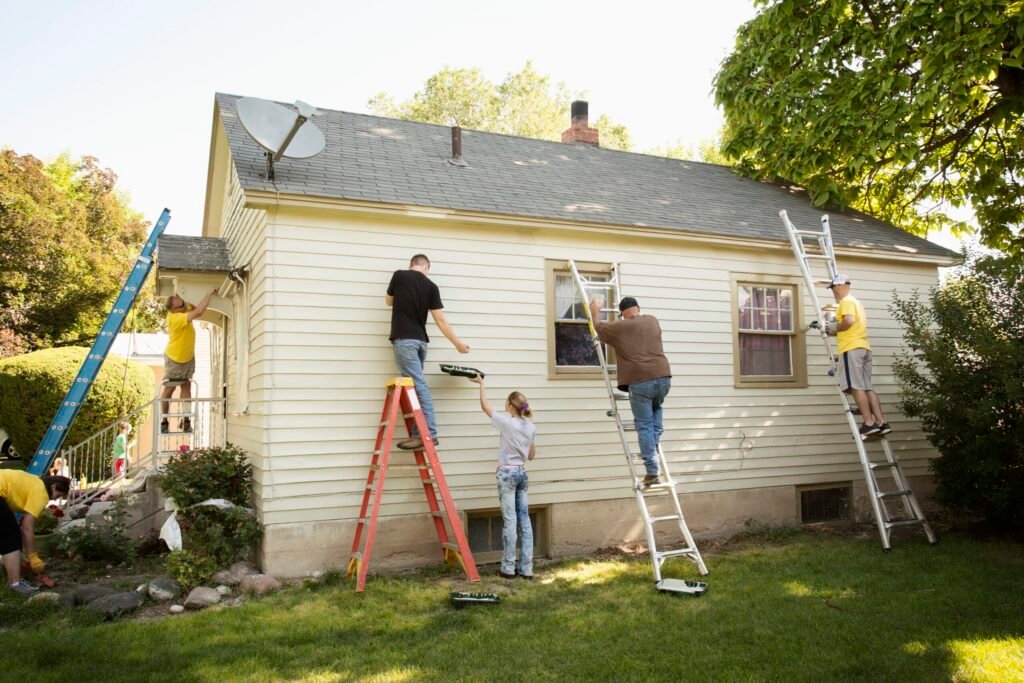
So many homes sell as “fixer-uppers” with “good bones,” and that is OK, provided the problems are normal for the age and region of the home. You must avoid those houses that have too many serious problems for any age, or those which appear to have been constructed in a shoddy, hurried manner. That’s where risks from amateur, unlicensed work begin to seep in.
Do-It-Yourself Additions and Unfinished Carpentry
Critical home buying red flags in Colorado include do-it-yourself additions or any work that is not to current building code. If an addition looks awkward, cheap, or like a clear afterthought, it probably is, and this will be detrimental when you eventually want to resell. Other signs of incomplete or sloppy carpentry and construction suggest a non-solid, unsound structure.
Major construction, electric work, and plumbing changes must be permitted by the local jurisdiction in Colorado, such as the City and County of Denver Building Permit Office. If major renovation or addition has been completed, you will always want to request copies of permits pulled and approvals given before moving forward with an offer. If unpermitted, you may be forced to pay for the time and expense to tear down and rebuild properly – or at a minimum get the existing structure retroactively inspected and approved – a process rarely simple. This is one of the more common and costly Colorado home buying red flags to overlook..
Do Follow Link: Check the Colorado Real Estate Commission’s official website for current disclosure requirements.
The Cosmetic Cover-Up: Subtle Colorado Home Buying Red Flags
When house hunting, you must be the detective buyer. Many times, sellers attempt to mask major problems with some simple cosmetic trickery. If upon entering a room you have that feeling, “Something is not right,” listen to your gut.
The Scent Masking Tactic
Most obvious, yet most often overlooked Colorado home-buying red flags: too many potent smells. If it seems like every room has a plethora of air fresheners, scented candles, and electric diffusers, that should raise your flag right there. Sellers are more than likely trying to mask strong, pungent odors resulting from pets, heavy smoking, or worst of all, musty mold in the basement. Request your agent ask for these to be removed for a true scent-free inspection.
Strategic Paint and Rug Placement
Be highly suspect of cosmetic changes that seem isolated. One fresh painted wall in a room might hide mildew, water damage, or a structural crack. Likewise, an oddly placed rug or oversized furniture piece against a wall is suspicious. These are often used to hide a damaged floor, stained carpeting, or even a foundation flaw. You have the right to politely move small rugs or ask to see behind furniture during your tour of the property to look for these Colorado home buying red flags.
Nofollow Link: Learn more about common radon testing procedures in Colorado from the EPA (Nofollow).
The Unique Challenge of New Construction Colorado Home Buying Red Flags
While the pros of new construction are attractive—being the first owner, brand-new systems, modern finishes—new does not always mean better. New construction presents its own unique set of Colorado home buying red flags that experienced buyers are aware of.
The Problem with Untested Systems
A newly built condo, rowhome, or detached house in Colorado is not perfect simply because it’s new. In fact, it often has more problems than a “used” home because the systems haven’t been lived in and tested yet—the “kinks haven’t been worked out”. For instance, it might take a new owner ten showers to realize a pipe has a slow leak or a drainage issue exists. Even a home inspector cannot find certain issues if they rely on day-to-day use to manifest. This means the first few years of ownership will often involve warranty claims and service calls.
Rising HOA Fees and Assessments
A major Colorado home buying red flag in new condo or townhome communities is the risk of substantially rising Homeowners Association (HOA) fees. Initial fees set by the developer are often based on optimistic projections, but because there is no history to “test” the true cost of common area maintenance, utilities, or reserve fund contributions, fees can rise dramatically in the first year or two after delivery. For this reason, many experienced investors suggest it is best to be the second owner of a property, after the first owner has lived there for a few years and worked through all the inevitable issues and financial adjustments.
Conclusion: Moving Forward Despite Colorado Home Buying Red Flags (H2)
Every home has issues. The challenge lies in determining which Colorado home buying red flags are deal-breakers and which are manageable maintenance items. Foundation issues and rampant, unpermitted additions are almost always severe Colorado home buying red flags that require substantial financial and time investment. Conversely, a few cracked shingles or dated appliances are minor, negotiable points.
You must go into the home buying process with your eyes wide open, recognizing that your excitement must be tempered by careful due diligence. By prioritizing professional inspections and getting clarity on the most critical Colorado home buying red flags detailed above, you will gain a better sense of what you are truly getting into, ensuring you can avoid expensive surprises down the road and make a confident, secure investment in the Colorado market.
Frequently Asked Questions (FAQ)
Q: What is the most common of the Colorado Home Buying Red Flags?
A: Issues with the foundation are probably one of the most common Colorado Home Buying Red Flags in Front Range cities such as Denver, Boulder, and Colorado Springs. This is because of the expansive clay soils throughout the region, swelling or shrinking depending on moisture conditions, which provide fairly serious and costly foundation movement. In such a case, when suspicion arises, probably through the appearance of cracks or sloping floors, a structural inspection or review by a foundation specialist becomes paramount.
Q: Are unpermitted additions considered serious Colorado Home Buying Red Flags?
A: Yes, unpermitted additions are a very serious group of Colorado Home Buying Red Flags. Unpermitted work is not only potentially structurally unsound but also creates a legal and financial liability for the new homeowner. When selling the home later, you may be required by the jurisdiction (such as a county building department) to tear the addition down or bring it up to code, which is an expensive process.
Q: What does a high number of “For Sale” signs indicate in a neighborhood?
A: In conjunction with an increase in rentals and foreclosures, a high density of “For Sale” signs is indicative of a neighborhood being unstable. This may be a tell-tale sign that owners are trying to get out due to declining quality of the neighborhood or a fall in property values. You want to buy into a stable neighborhood-one that will retain its value-so a high turnover rate is a clear Colorado Home Buying Red Flag.
Q: How can I spot hidden water damage, one of the subtler Colorado Home Buying Red Flags?
A: Water damage is often hidden, but it can be revealed by a few subtle signs. Look for patches of fresh paint on just one wall (which may be covering mold or mildew) , or the heavy use of air fresheners to mask a musty smell that suggests basement moisture. Also, check the ceilings for yellow or brown water stains, which indicate a past or active roof or plumbing leak.
Q: Why is faulty and outdated wiring a critical item on the list of Colorado Home Buying Red Flags?
A: Faulty and outdated wiring, especially in older Colorado homes, is a critical item because it is a serious fire hazard. Furthermore, if the home’s electrical service (amperage) is not sufficient for modern appliances, you will need an expensive and disruptive full-service upgrade to prevent overloaded circuits, which is a significant cost to factor in before closing.