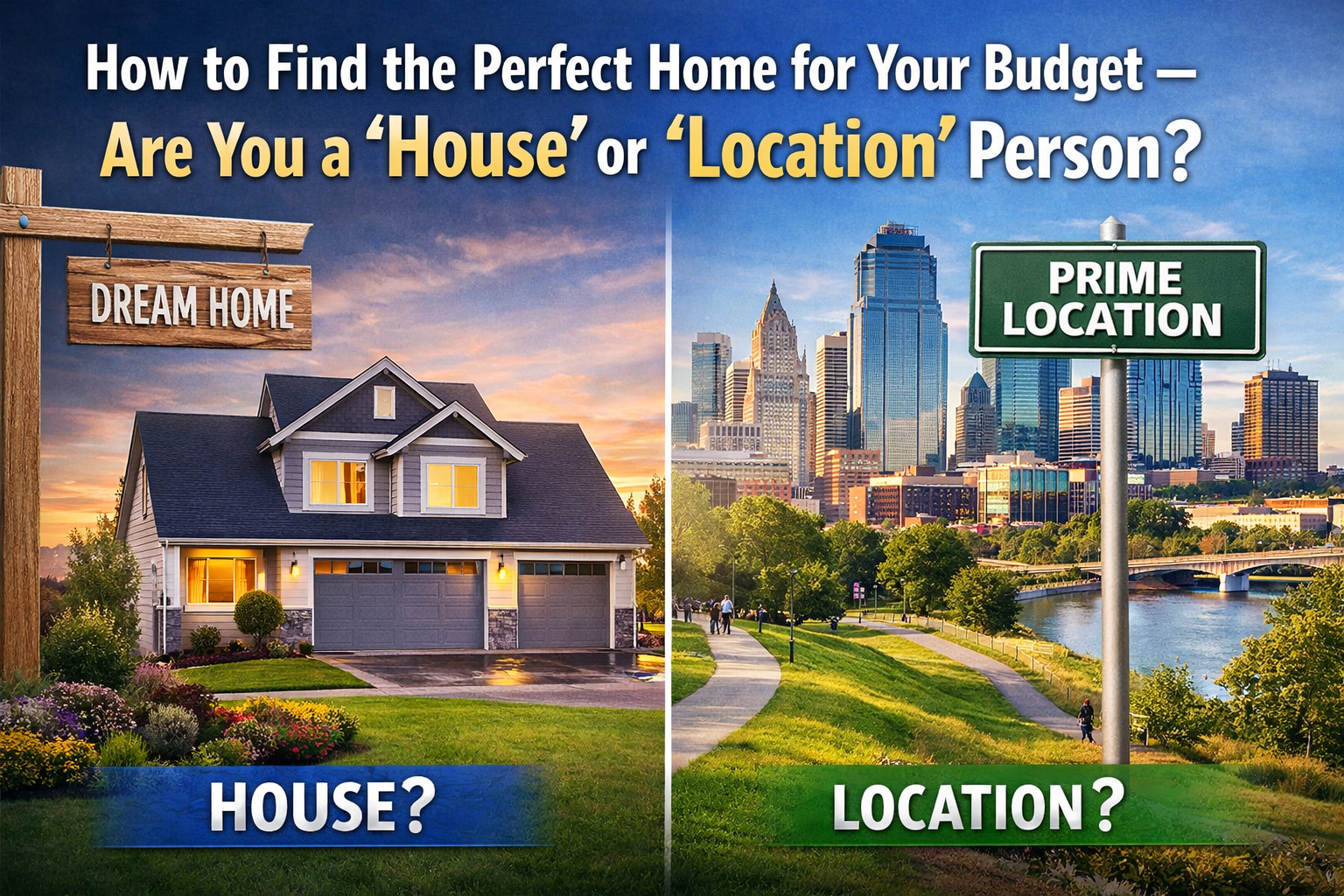
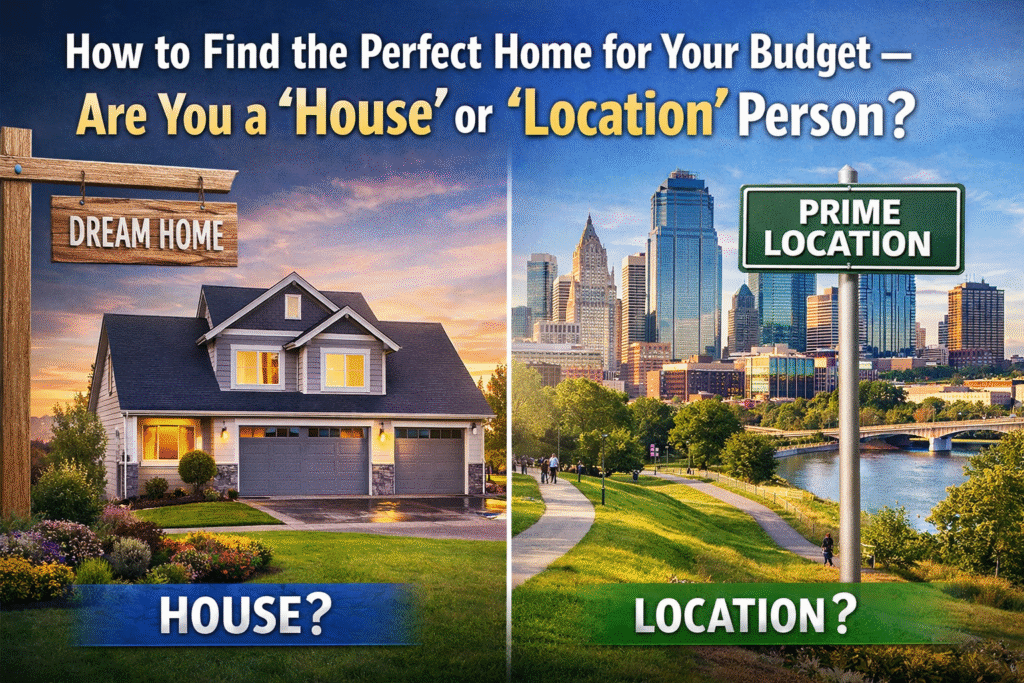
When it comes to buying a home, one of the first decisions you’ll face is whether you’re a “house” person or a “location” person. This simple distinction can have a significant impact on your home search, your budget, and ultimately, your decision-making process. Understanding these two categories will help you make more informed choices that align with your priorities.
Understanding Your Priorities: “House” or “Location”?
Before we dive into the details of how to find the perfect home for your budget, it’s important to evaluate your priorities. Do you envision yourself in a spacious, well-designed home with plenty of room for your family? Or do you dream of living in a top-rated neighborhood, close to schools, parks, and transportation?
Knowing whether you prioritize the house or location will help you make the best decision for your budget. So let’s take a deeper look at both options.
1. The “House Person: Prioritizing Features and Space
If you’re a “house” person, you might value the physical aspects of the home above all else. This could mean you’re looking for spacious rooms, updated kitchens, modern bathrooms, or unique features like a home theater or large backyard. For you, the interior design, floor plan, and condition of the home matter most.
Benefits of Being a “House” Person
Customizability: You can renovate or remodel parts of the home to suit your personal style and preferences.
More Space: A larger home often means more space for your family, pets, and hobbies.
Better Amenities: Luxury features like a pool, gourmet kitchen, or expansive backyard might be top priorities for you.
Drawbacks of Being a “House” Person
Overlooking Location: You may end up with a perfect home in a less-than-ideal neighborhood.
Higher Maintenance Costs: Larger or older homes may require more upkeep and repairs.
Potential Commute Issues: A great house in a far-off area could lead to a lengthy commute, higher gas costs, and added stress.
2. The “Location” Person: Seeking the Right Neighborhood
On the other hand, if you’re a “location” person, you likely prioritize finding a home in a desirable area. You might prefer being close to top-rated schools, public transportation, shopping centers, or scenic views. The location could be the main driver for your decision, even if the house itself needs some work or isn’t your dream home.
Benefits of Being a “Location” Person
Long-Term Investment: A prime location often leads to higher property values and better resale potential.
Convenience: Being near schools, work, and amenities can improve your quality of life and save time.
Community: You may find yourself in a vibrant, safe community with plenty of social and recreational opportunities.
Drawbacks of Being a “Location” Person
Higher Price Tags: Popular areas often come with higher price points, making it difficult to find a dream home.
Compromising on Features: Homes in sought-after locations may be smaller, older, or need more work to meet your needs.
Less Control Over the Home: If you can’t find a home that fits your preferences, you may end up settling for a place that doesn’t meet all your desires.
3. Balancing Both “House” and “Location”
While the decision between being a “house” person or a “location” person may seem simple, the reality is that most buyers have to strike a balance between the two. Ideally, you want to find a property that offers the best features within a location that fits your lifestyle. However, finding that sweet spot can be challenging, especially on a limited budget.
How to Find a Balanced Option
Set a Realistic Budget: Knowing exactly how much you can afford is crucial. This includes both the home price and additional costs like taxes, insurance, and potential renovations.
List Your Must-Haves: Identify your non-negotiables. Do you need a certain number of bedrooms? An updated kitchen? A large yard?
Prioritize Location, but Don’t Compromise on Functionality: If you’re set on a certain area, look for properties that can be customized or renovated to fit your needs.
Consider the Long-Term: Choose a property in a growing or established area that offers potential appreciation over time.
4. Why Location Should Always Be a Consideration
Even if you’re leaning more toward a “house” person, location should never be overlooked. A property in a prime location can help ensure that your investment grows over time, even if the house itself isn’t perfect.
The Importance of Location in Real Estate
Future Resale Value: If you ever decide to sell, a home in a desirable neighborhood will attract more buyers and offer a better return on investment.
Access to Amenities: Being close to schools, shopping centers, restaurants, and public transportation can enhance your lifestyle and reduce your daily stress.
Safety and Community: You’ll want to live in an area that is safe and fosters a sense of community.
5. Why the House Matters in Your Search
While location is important, the physical aspects of the house play a significant role in your happiness and comfort. A house with the right features can improve your quality of life and give you the space you need to thrive.
Key Features to Look for in a Home
Layout and Flow: Consider how the spaces within the home connect and whether the floor plan suits your lifestyle.
Condition and Age: A newer home might need fewer repairs, while an older one could offer charm but require ongoing maintenance.
Space and Storage: Think about how much space you need for your family, belongings, and any future expansions.
6. Tips for Finding the Perfect Home for Your Budget
If you’re ready to start your home search, here are some essential tips to help you find the perfect home within your budget:
Work with a Real Estate Agent
An experienced real estate agent can help you navigate the market, especially when it comes to balancing the house and location. They will provide you with valuable insights on local trends and help you find properties that fit your needs.
Get Pre-Approved for a Mortgage
Before you start viewing homes, it’s essential to get pre-approved for a mortgage. This will give you a clear understanding of your budget and help you avoid wasting time on homes that are out of your price range.
Don’t Forget About Future Costs
While buying a home is a major expense, don’t forget to consider future costs. Maintenance, property taxes, utilities, and homeowners’ insurance all factor into your overall budget. Be sure to account for these when determining what you can afford.
Visit Multiple Properties
It’s essential to visit multiple homes to get a feel for the market. This will help you understand the pricing in your desired location and give you a better idea of what you can get within your budget.
Be Prepared to Compromise
Finding the perfect home for your budget will likely require some compromises. Whether it’s settling for a smaller home, an older property, or a less-than-ideal location, being flexible will increase your chances of finding a property that works for you.
7. Conclusion: Finding the Perfect Home for Your Budget
Remember, a well-balanced approach—choosing a property that fits your needs in a desirable location, while staying within budget—is the key to making a decision you’ll be happy with for years to come. Whether it’s a small house in an up-and-coming area or a larger property in a more suburban location, the right home is out there waiting for you.
In the end, finding the perfect home for your budget comes down to understanding your priorities. Are you a “house” person, more focused on the physical features of the home? Or are you a “location” person, prioritizing the neighborhood and the area’s potential for growth? By evaluating your needs and making informed compromises, you can find a home that offers the best of both worlds.