Buying a home within the state of Colorado can be an adventure because Colorado Homeowners Insurance will introduce people to some amazing skiing, hiking, and city experiences. However, on a negative note, buying a home within the state will also expose people to some dangers that they will have to be very well-armed against. You never know what might happen and when. It might be something as trivial as a wildfire, a broken frozen pipe, or something more serious.
Identifying an appropriate homeowner’s policy for your needs in Colorado will be your single most important strategy for ensuring your financial security because Colorado Homeowners Insurance plays a crucial role in protecting your investment. It is imperative that you select an appropriate firm, cost structure, and level of coverage based on your particular set of needs. All too frequently, people seek and obtain homeowner’s insurance but find that they do not have adequate coverage once a problem arises. It doesn’t matter if you live in Denver or Colorado Springs or some rural area; it’s necessary that you have knowledge about homeowner’s insurance.
Within the scope of this comprehensive resource, we will discuss exactly how you should review your policy and learn why the Colorado climate calls for specific types of coverage and more on how you can be assured you will never be underinsured.
1. Understanding What Colorado Homeowners Insurance Covers
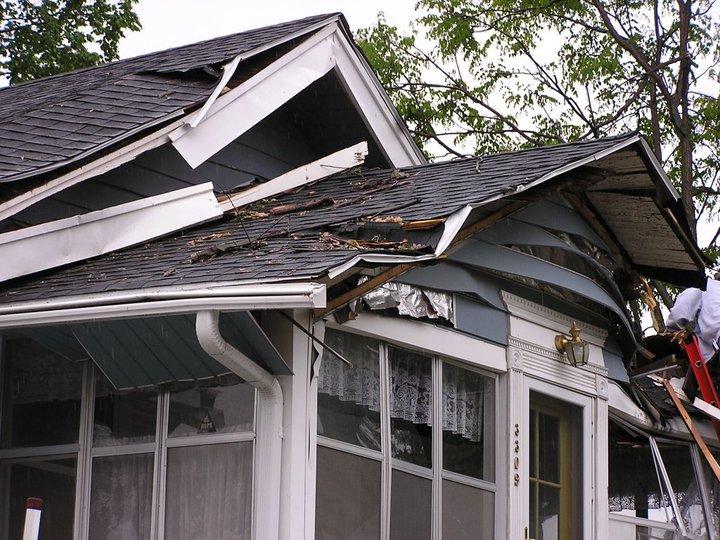
As you review your Colorado Homeowners Insurance policy, it can be overwhelming. But as I have mentioned already, a homeowners policy is, at bottom, a package policy combining several different types of insurance, among them fire, theft, liability, and windstorm. But as you can see, these perils have a different level of risk in the state of Colorado. By “windstorm,” they mean severe convective weather with hail. By “fire,” they really mean wildfire, a constant and ominous threat during the dry season.
Whether you’re a current homeowner who may need to upgrade your coverage or a potential new buyer who is purchasing home insurance for the first time, review these steps so you have the right coverage for YOU. A standard policy might cover the basics, but Colorado homeowners insurance requires a closer look at the “exclusions” page. Does your policy cover wind-driven rain? Does it cover the weight of snow and ice on your roof? These are questions standard policies in other states might gloss over, but here, they are vital.
The Components of a Robust Policy
To truly understand Colorado homeowners insurance, you must break it down:
- Dwelling Coverage: This pays to repair the house itself.
- Other Structures: Covers detached garages, fences, or sheds.
- Personal Property: Covers your belongings inside the home.
- Liability: Protects you if someone is injured on your property.

2. How Do You Determine Coverage in Colorado?
One of the most frequent questions insurance agents receive is: “How much coverage do I actually need?”
The answer isn’t based on what you paid for the house. Your coverage should be based on the square footage of your home, but it must also factor in how much it will cost per square foot to rebuild in case of disaster. This is a critical distinction. The real estate market value includes the land, the view, and the school district. Colorado homeowners insurance is concerned with the cost of lumber, cement, drywall, and labor.
The Rising Cost of Rebuilding
The cost of reconstruction for the region surrounding Colorado is higher compared with the nation as a whole. So cost a bit more than your insurance will pay. But why?
Labor Shortages: A shortage of qualified trade skill labor in Colorado drives demand beyond supply, causing wages to increase.
Material Transport: Transporting merchandise to mountainous areas or passes will also raise costs.
Code Upgrades: Cities such as Boulder and Denver have tough energy standards. A homeowner’s insurance policy that indicates construction costs going back five years will very likely be underinsured..

3. The 80% Rule and Replacement Value
A major pitfall for many homeowners is the “coinsurance” clause. Your insurance company will most likely require you to purchase coverage that insures 80% of the replacement value of the home.
If you fail to meet this requirement, the insurer acts as a co-insurer. This means if you are insured for only 70% of the replacement value, the company may not pay the full cost of repairing partial damages. In the context of Colorado homeowners insurance, where partial claims for hail damage to roofs and siding are frequent, failing to meet the 80% threshold can cost you thousands of dollars out of pocket.
To be safe, many experts recommend insuring 100% of the replacement value and adding an “Extended Replacement Cost” endorsement. This gives you an extra buffer—often 20% to 50% above your limit—which is a lifesaver if a widespread disaster (like a massive wildfire) causes a surge in local construction prices.
4. Assessing Your Personal Property
Structural coverage is only half the battle. Be sure to take into consideration everything that you have inside the home, which will also need to be replaced in the event of disaster.
Walk around your house. Could you replace all your furniture, all your clothes, your electronics, and your dishes at once if you had to? Personal property coverage is included within your Colorado Homeowners Insurance policy. You have to determine if it is Actual Cash Value or Replacement Cost. Actual Cash Value will pay you what it’s worth at the time, and Replacement Cost will pay for a replacement.
Special Considerations for Valuables
If you’ve got a special art collection or a home office with equipment and supplies, you should be sure to let your agent know so that they can inform you about any additional riders that might be necessary.
- Sporting Gear: In Colorado, many garages are filled with expensive mountain bikes, skis, and camping gear.
- Jewelry and Furs: Jewelry and Furs: Typical policies have low sub-limits (such as $1,500) for theft of jewelry.
- Home Office: As telecommuting becomes common, your home office furniture and laptop could be considered excessive..

5. Do You Have Enough Coverage?
It’s easy to be complacent. You pay your premium, and then you’re done. But do you ever ask yourself if you have adequate Colorado Homeowners Insurance coverage?
To address these, you will have to obtain up-to-date information about your home’s current market value and what it would cost to rebuild it. Inflation affects rebuilding costs greatly. Again, you might want to round up to an amount that would be an average cost within the area surrounding Colorado.
Managing High Deductibles
A key part of Colorado homeowners insurance is the deductible. Make sure that your deductible is set at a price that you can afford in the event that you must rebuild or do extensive repairs to your home.
These typically are split deductibles in Colorado, and they include:
- All Other Perils: This is a fixed amount payable for perils like fire or theft; generally, there is a single deductible, say $1,000.
- Wind/Hail: A percentage deductible, 1%, 2%, etc., on dwelling coverage.
Assuming your home is insured for $600,000, your 2% wind-hail deductible would be $12,000-a surprising amount to many people. When choosing your homeowner’s insurance package in Colorado, be sure to check these percentages..
6. Water Damage: Floods vs. Basements
One of the most misunderstood areas in insurance deals with water. What about flood insurance?
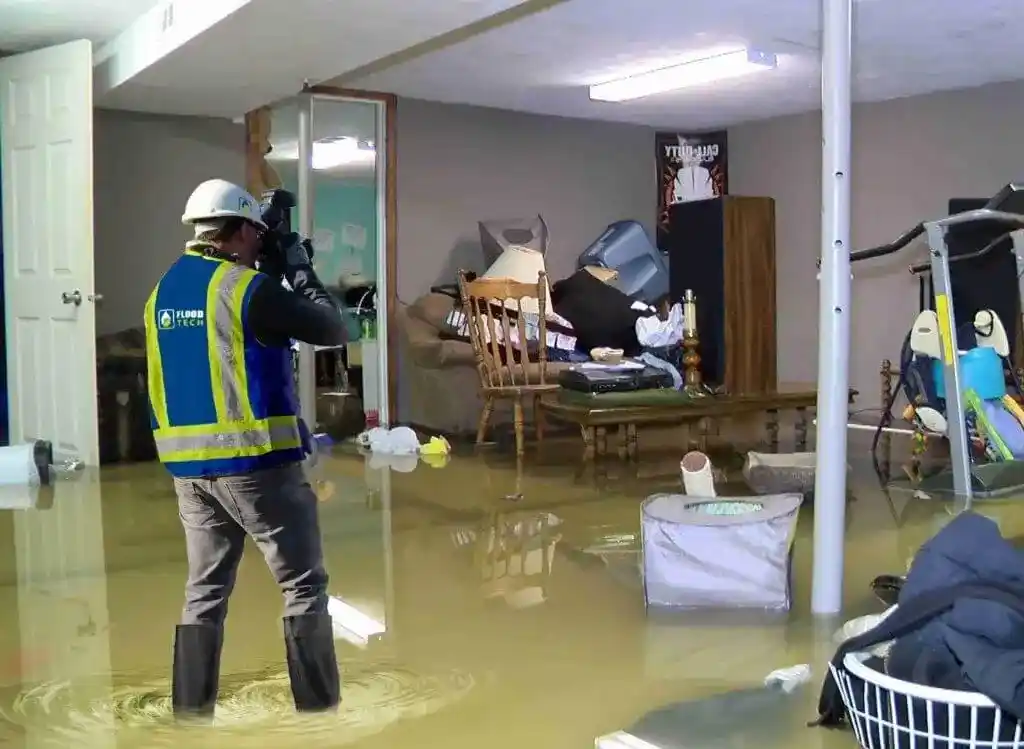
If you live in the Colorado area, you might not need flood insurance, but get coverage for flooded basements with your agent, as they are common in this area. This is an important distinction, as standard Colorado homeowners insurance excludes “flood” damage, which is defined as rising water from the outside – like a river overflowing.
The Sump Pump Reality
Nevertheless, being covered against water damage caused by a flood within your basement is not exactly the same as flood insurance.
Water Backup Coverage: It covers your policy against water that backs up into sewers and drains or as a consequence of a failed sump pump.
The Risk: A snow melt or rain event that occurs within a summer season normally exceeds the abilities of drainage facilities within the state of Colorado.
Just one of many reasons to have a thoughtful discussion with your insurance agent regarding the differences between policy types. We want you to be prepared and know exactly how you’re covered in case you do find water in your basement, which unfortunately happens often in our region. Not having this specific rider on your Colorado homeowners insurance could leave you footing the bill for expensive remediation and drywall repairs out of pocket.
External Link: Learn more about the National Flood Insurance Program here.
7. Navigating Home Upgrades
Our homes are not static. It is an ongoing process of updates. Do you need an upgrade on your Colorado Homeowners Insurance?.
You might have included things like a basement finishing project for a guest room, an upscale kitchen remodel with high-end appliances, and a large deck for viewing the sunset.
- For Current Homeowners: You will have to schedule a meeting with your insurance agent and then discuss your present level of coverage before informing them about your new home improvements as well as new possessions.
- The Documentation: The Documentation: The representative will then emerge and document these improvements and will inform you about additional coverage that you might need.
But if you don’t disclose these changes, your maximum coverage for Colorado Homeowners Insurance will be determined based on your house before the renovation. Without enough funds for your renovated house rebuild, you will be facing a total loss.
[Internal Link: Contact our team for a policy review]

Why Working with an Independent Agent Matters
The appetite for risk among Colorado Homeowners Insurance carriers is fluctuating constantly within the state of Colorado. A carrier may choose not to write new business within specific zip codes, while others will offer discounts for wildfire prevention, such as brush removal and fire-resistant roofs. A good agent will steer you toward carriers who reward proactive residents.
[External Link: Read more about wildfire mitigation tips rel=”nofollow”]
Conclusion
With the complexities associated with Colorado home owners insurance, it would be very foolish to venture into this market alone. An independent agent will be able to shop several carriers for you to pick the best fit. Also, they will be aware of regional risks, ranging from hail storms on the Front Range to wildfire dangers within the foothills.
The appetite for risk on Colorado Homeowners Insurance carriers within Colorado varies. There will be carriers that will no longer issue new business with certain zip codes, while some might discount for wildfire mitigation, which may include acts such as brush removal and fire-resistant roofs. A seasoned agent will guide you on carriers who enjoy rewarding proactive residents.
Frequently Asked Questions (FAQ)
Q: Does standard Colorado homeowners insurance cover hail damage?
A: Yes, hail would be a covered risk. Yet because hail damage suits are so common within the state of Colorado, there will be a separate deductible for either wind or hail. That will be based on a percentage of your dwelling’s value.
Q: What is the difference between market value and replacement cost?
A: Market value refers to what your house would sell for. It includes value for the site itself and location. Replacement cost would be what it would cost to build your house again because you would have to buy materials and hire people to build it for you. All homes in Colorado should have replacement cost coverage.
Q: Do I need flood insurance if I don’t live near a river?
A: Yes, it would be very well worth considering. Flash floods can happen anywhere within the state of Colorado because of rain on burn scars and snow melt. You don’t have flood coverage on your regular homeowner’s policy.
Q: How can I lower my Colorado homeowners insurance premiums?
A: You might be able to reduce rates by purchasing your home and auto policies together, paying a higher deductible if you can afford it, and upgrading your home security or fire safety.
Q: What is “Ordinance or Law” coverage?
A: It will cover additional expenses associated with rebuilding your dwelling to adhere to current standards. As a resident of Colorado, you should note that standards here frequently change with regards to energy efficiency and safety.
Q: How often should I review my insurance policy?
A: It would be a good practice for you to review your Colorado homeowner insurance on an annual basis or whenever there have been some major changes made at your residence, like home renovations or buying expensive personal effects.